

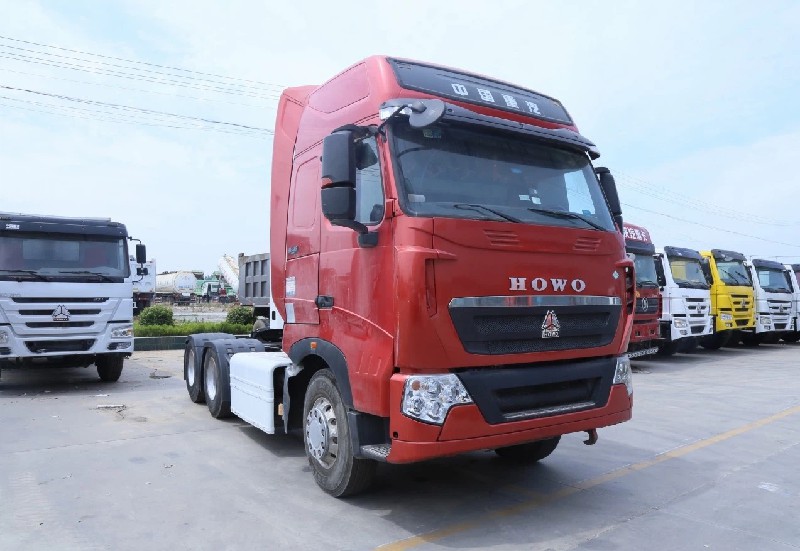
Used Tractor Howo 6x4 Tractor Truck 10 Wheels Cng Lng Tracto
Release time:2026-03-29 Visits:
Compressed Natural Gas (CNG) Trucks: Revolutionizing the Transport Industry
In recent years, the transport industry has witnessed a significant shift towards more sustainable and eco-friendly practices, with Compressed Natural Gas (CNG) trucks emerging as a frontrunner in this transition. CNG trucks represent a promising alternative to traditional diesel-powered vehicles, offering a range of benefits ranging from environmental friendliness to cost-effectiveness.
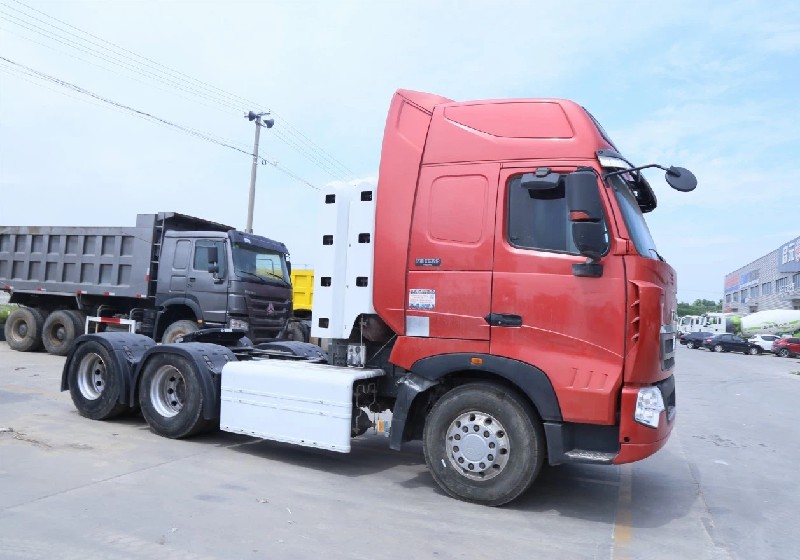
1. Introduction to CNG Trucks: Compressed Natural Gas (CNG) trucks are vehicles that utilize natural gas, which has been compressed to a high pressure, as a fuel source for propulsion. Unlike conventional diesel engines, CNG trucks produce lower emissions and offer a more environmentally friendly solution to transportation needs.
2. Environmental Benefits: One of the primary advantages of CNG trucks is their significantly lower emissions compared to diesel-powered vehicles. Natural gas combustion produces fewer greenhouse gases and pollutants such as carbon dioxide (CO2), nitrogen oxides (NOx), and particulate matter, thereby helping to mitigate air pollution and combat climate change.
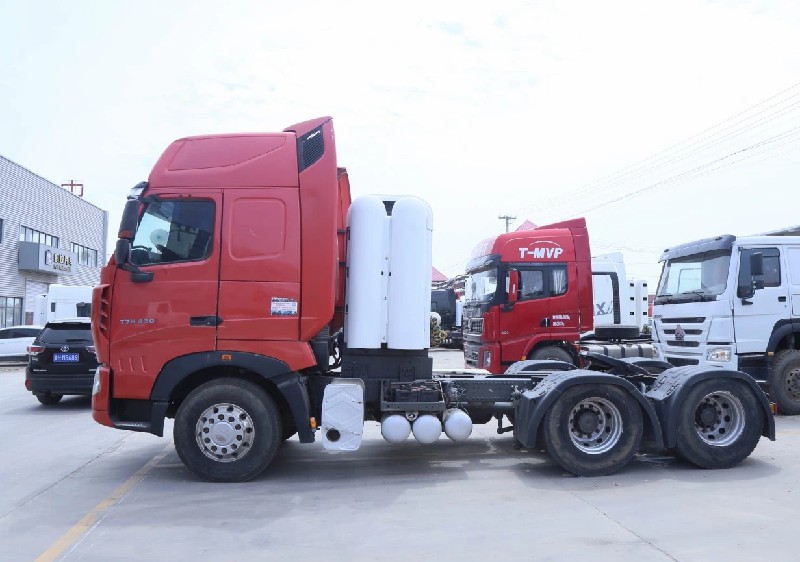
3. Economic Advantages: In addition to their environmental benefits, CNG trucks offer compelling economic advantages. Natural gas prices tend to be more stable and lower than diesel fuel, resulting in reduced fuel costs for fleet operators. Furthermore, as governments and regulatory bodies incentivize the adoption of cleaner transportation technologies, CNG truck owners may benefit from tax credits and subsidies.
4. Operational Efficiency: CNG trucks are known for their operational efficiency and reliability. With advancements in engine technology and infrastructure development, modern CNG engines offer comparable performance to diesel engines in terms of power output and torque. Additionally, CNG refueling infrastructure is expanding, making it more convenient for fleet operators to integrate CNG trucks into their operations.
5. Infrastructure Development: The growth of CNG truck adoption is closely linked to the expansion of refueling infrastructure. Governments, private companies, and fueling station operators are investing in the development of CNG refueling stations to support the growing demand for natural gas vehicles. This infrastructure expansion enhances the viability and attractiveness of CNG trucks as a transportation solution.
6. Challenges and Considerations: Despite their numerous benefits, CNG trucks also face some challenges and considerations. Limited refueling infrastructure in certain regions may pose logistical challenges for fleet operators, although ongoing efforts are being made to address this issue. Additionally, the initial investment cost for acquiring CNG trucks and establishing refueling infrastructure can be significant, although long-term savings on fuel costs may offset these expenses.
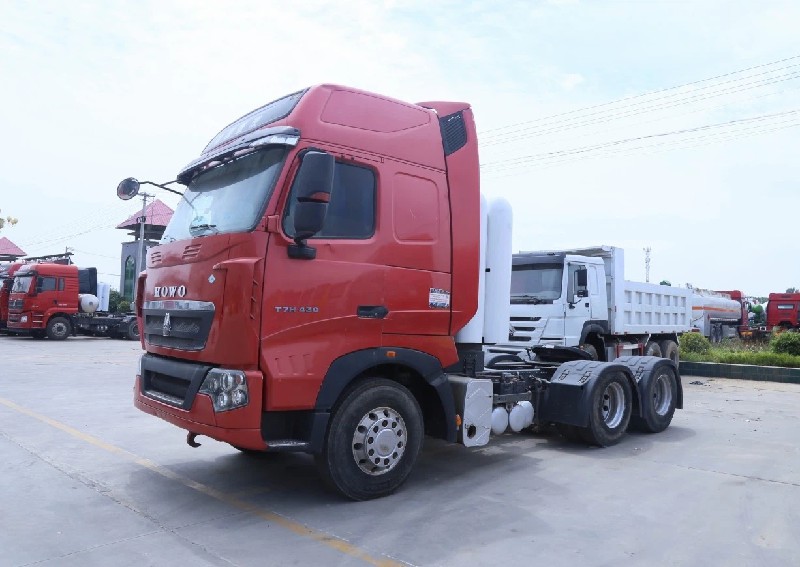
7. Future Outlook: The future of CNG trucks looks promising, with continued technological advancements and growing awareness of environmental issues driving further adoption. As governments around the world implement stricter emissions regulations and incentives for clean energy vehicles, the demand for CNG trucks is expected to increase. Moreover, innovations in engine efficiency and fuel storage technology will likely enhance the performance and viability of CNG trucks as a sustainable transportation solution.
In conclusion, Compressed Natural Gas (CNG) trucks represent a transformative force in the transport industry, offering a cleaner, more economical alternative to traditional diesel-powered vehicles. With their environmental benefits, economic advantages, and operational efficiency, CNG trucks are poised to play a significant role in shaping the future of sustainable transportation. As the world continues to prioritize sustainability and reduce dependence on fossil fuels, CNG trucks are positioned to lead the charge towards a greener, more sustainable future.