

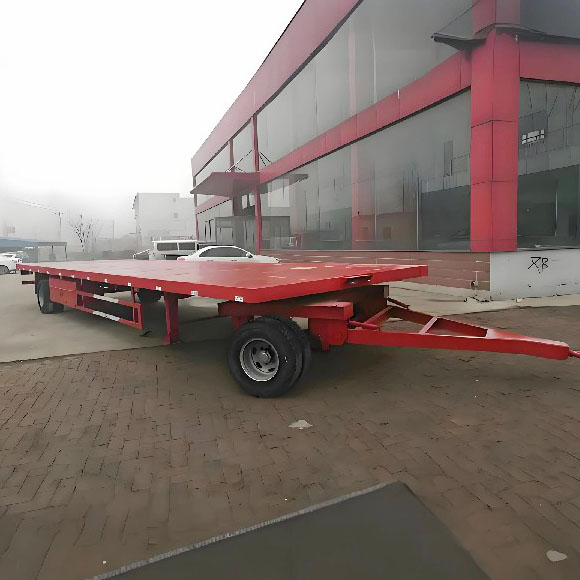
Full Flatbed Trailer
Release time:2026-03-30 Visits:
Title: The Versatile Full Flatbed Trailer: A Comprehensive Overview
Introduction: The full flatbed trailer stands as a pinnacle of versatility in the world of transportation and logistics. Its design, characterized by a flat, open platform without any sides or roof, enables it to carry a wide array of goods, ranging from construction materials to heavy machinery. In this comprehensive overview, we delve into the features, benefits, and diverse applications of the full flatbed trailer.
Features: The full flatbed trailer boasts several key features that make it an indispensable asset in the transportation industry:
Spacious Deck: With a completely flat and open deck, the full flatbed trailer provides ample space for accommodating large and irregularly shaped cargo. This unrestricted layout allows for easy loading and unloading of goods, including oversized items that might not fit in enclosed trailers.
Sturdy Construction: Constructed from high-strength steel or aluminum, full flatbed trailers are built to withstand heavy loads and harsh environmental conditions. Their robust frames and reinforced flooring ensure durability and reliability during long-haul journeys.
Versatile Hitching Options: Full flatbed trailers are compatible with various hitching systems, including fifth-wheel couplings and gooseneck hitches. This flexibility in hitching options enables them to be towed by a diverse range of vehicles, from semi-trucks to pickup trucks.
Load Securing Mechanisms: Equipped with tie-down points, stake pockets, and ratchet straps, full flatbed trailers offer multiple methods for securing cargo. These features ensure that the transported goods remain stable and secure throughout the transportation process, minimizing the risk of damage or loss.
Benefits: The utilization of full flatbed trailers brings forth a multitude of benefits for businesses and industries involved in transportation and logistics:
Enhanced Efficiency: The straightforward design of full flatbed trailers streamlines the loading and unloading process, reducing turnaround times at warehouses and distribution centers. This efficiency translates into cost savings and improved productivity for businesses.
Greater Flexibility: Unlike enclosed trailers, full flatbed trailers can accommodate oversized or irregularly shaped cargo with ease. This versatility enables businesses to transport a diverse range of goods, from construction materials and industrial equipment to vehicles and machinery.
Reduced Handling Requirements: With the ability to load cargo directly onto the flatbed, the need for palletization or packaging is often minimized. This reduction in handling requirements not only simplifies the logistics process but also lowers the risk of product damage during transit.
Improved Safety: The securement features of full flatbed trailers ensure that cargo remains stable and firmly in place during transportation, reducing the likelihood of accidents or incidents on the road. Additionally, the open design of the trailer provides better visibility for drivers, enhancing overall safety.
Applications: The versatility of full flatbed trailers lends itself to a wide range of applications across various industries:
Construction: Full flatbed trailers are frequently used to transport construction materials such as lumber, steel beams, and concrete panels to job sites. Their ability to accommodate large and heavy loads makes them indispensable in the construction industry.
Manufacturing: Manufacturers rely on full flatbed trailers to transport machinery, equipment, and raw materials between production facilities and warehouses. The spacious deck and robust construction of these trailers ensure the safe and efficient transportation of industrial goods.
Transportation of Vehicles: Carriers utilize full flatbed trailers to transport vehicles such as automobiles, trucks, and agricultural machinery over long distances. The open design of the trailer allows for easy loading and unloading of vehicles, making it an ideal choice for vehicle transportation companies.
Specialized Cargo: Full flatbed trailers are also employed for transporting specialized cargo, including oversized machinery, wind turbine components, and modular homes. Their versatility and load-bearing capacity make them suitable for handling unique and challenging transportation requirements.
Conclusion: In conclusion, the full flatbed trailer stands as a versatile and indispensable asset in the transportation and logistics industry. Its spacious deck, sturdy construction, and myriad of applications make it a preferred choice for businesses seeking efficient and reliable cargo transportation solutions. Whether hauling construction materials to a job site or transporting vehicles across state lines, the full flatbed trailer continues to play a vital role in facilitating the movement of goods and materials worldwide.