

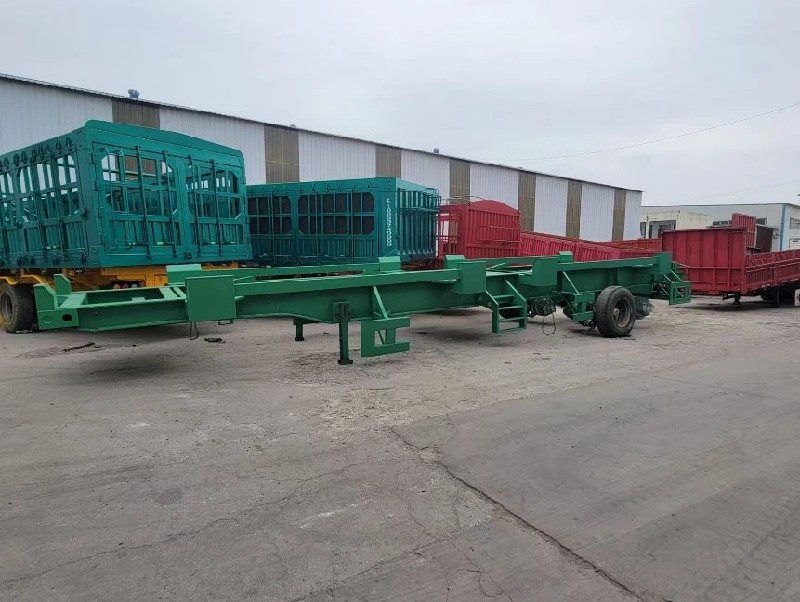
Dock Skeleton Trailer
Release time:2026-03-29 Visits:
Introduction to Dock Skeleton Trailers
Dock skeleton trailers, also known as skeletal trailers, are specialized transport vehicles designed primarily for the efficient movement of containers. These trailers are characterized by their minimalist design, featuring a skeletal frame that supports the weight of shipping containers while allowing for easy loading and unloading. They are commonly used in intermodal transportation, where goods are transferred between different modes of transport, such as ships, trains, and trucks.
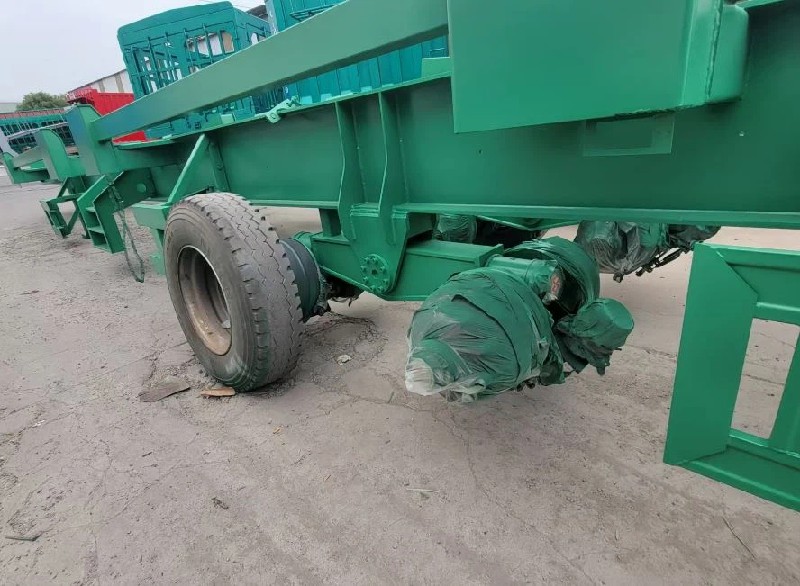
Design and Structuredock skeleton trailer
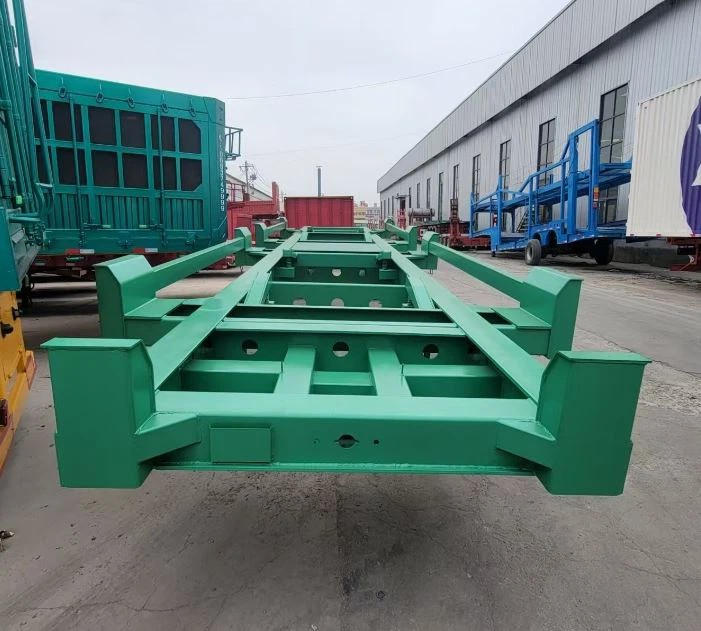
The design of dock skeleton trailers is focused on strength and versatility. The skeletal frame is made from high-strength steel, ensuring durability while minimizing weight. This lightweight construction allows for higher payload capacities, making it an economical choice for transporting containers. The trailer typically has adjustable twist locks that secure the container in place, ensuring stability during transit.
Functionality
Dock skeleton trailers are engineered to accommodate standard container sizes, including 20-foot and 40-foot containers. Their open design allows for quick and easy access to the containers, facilitating efficient loading and unloading at ports, warehouses, and distribution centers. This efficiency is crucial in logistics, where time is often a critical factor.
Advantages
Cost-Effectiveness: The lightweight structure of skeletal trailers enables carriers to maximize their payload, reducing transportation costs per unit.
Flexibility: These trailers can be used for various container types, making them suitable for different cargo needs, from dry goods to refrigerated containers.
Ease of Use: The design allows for quick attachment and detachment of containers, which is essential in busy dock environments where time is of the essence.
Enhanced Stability: The low center of gravity provided by the skeletal design contributes to improved stability during transit, reducing the risk of tipping.
Applications
Dock skeleton trailers are widely used in the shipping and logistics industries. They are particularly prevalent in port operations, where they facilitate the swift transfer of containers between ships and trucks. Additionally, they are utilized in rail transport, where containers are moved between trains and trucks.
Conclusion
In summary, dock skeleton trailers play a vital role in modern logistics and transportation. Their efficient design, cost-effectiveness, and versatility make them an essential tool for moving containers in various environments. As the demand for intermodal transportation continues to grow, the importance of dock skeleton trailers in the supply chain will only increase, solidifying their place in the future of cargo transport.
Previous:
Bridge Transport Trailer 2Next:
No article